
The world of wildlife conservation in Kenya has long been dominated by men risking life and limb for our endangered species. But thanks to an innovative project, everything can change.
This article was originally published on Adventure.com. It was published before the COVID-19 pandemic and may not reflect the situation on the ground.
Being a frontline wildlife ranger is probably one of the most dangerous jobs in the world. But in the heart of Kenya, there are a few hardy women who lace up their boots every day and stand up for wildlife.
Ann Malloy is one of those women. The 26-year-old radio operator grew up in the Eselenkei Game Reserve, Maasai land at the foot of the mighty Mount Kilimanjaro, and was a ranger for the Kenya-based Big Life Foundation. Protecting local land and wildlife — for almost a year.
On the day of the meeting, I hear a child crying next to me. Anne told me her five-day-old daughter was Alanna. She said she was a single mother and chose the name Alanna because it means "Precious" in the local language.
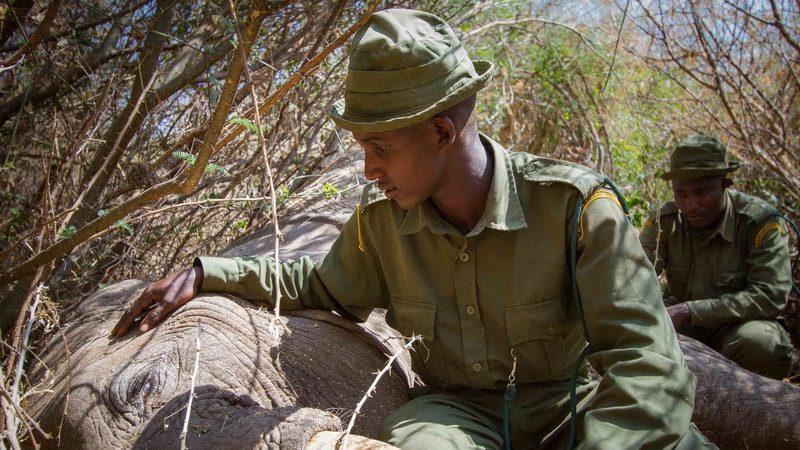
Anne believes that precious things must be protected - and this is what she lives by. On any given day, Big Life rangers like Ann help coordinate and facilitate the treatment of injured elephants; caring for weather-beaten, aging rhinos; stop poisoning irrigation ditches; Catch poachers with traps and spears. Ann may be quiet, but you'd pity the fool who underestimated her determination.
Anne's life has changed dramatically over the past 12 months. This time last year, she was working as a receptionist at a local hotel. It was a steady job, but it wasn't what he wanted. You see, Anne's late father was a conservationist and he instilled in her a love of nature from an early age. "He used to tell me that these animals, our big five, are the backbone of Kenya," he recalls. "They are not only beautiful animals, but also our main income. They provide jobs and bring travelers ... we need to protect them."
“I love my job, but the hardest part is the way the male rangers look at us. They either say we're doing nothing or we're doing everything wrong, which is not true."
Ann Malloy
When the opportunity arose for her to become a ranger, Anne took it. Big Life, supported by The Thin Green Line Foundation (TGLF), provides essential support to rangers to be effective, such as a living wage and proper working conditions. TGLF works with rangers and on-the-ground organizations around the world, and in 2018, partnered with The Intrepid Foundation in Kenya to inspire women like Ann to become rangers. Funded by donations from day trippers to The Intrepid Foundation, the initiative aims to increase the number of female rangers working in Kenya.
Craig Millar, head of security and field operations for Big Life, believes the women's training project will help change the status quo. "Gender equality in this part of Kenya lags behind most of the world," she says. “Only in recent years have women rangers had the opportunity. Getting the right job gives women more freedom and control over their lives. Then you add that they are the inspector responsible for enforcing the rules and laws, and that's a big step forward.
But Craig also admits that the job requires a brave woman. When we think of the hardest part of a ranger's job, most of us think it's fighting off volatile poachers or watching an animal get slaughtered. As difficult as these things are for Anne, they are not the hardest part of her day.
Anne's biggest challenge is an obstacle women all over the world struggle with: working in a man's world. ""I love my job, but the hardest part is when the male rangers look down on us," she says. "They say either we are doing nothing or we are doing everything wrong, which is not true. We struggle as women; we have to show men that we can not only do the job, but that we can beat them.'
Despite all this, Anne and her female colleagues defend important things day in and day out, often at personal risk. And they know it well. "Anna was the obvious choice for the radio operator position," says Craig. “He performed brilliantly in training and immediately impressed the panel with his confidence and clear communication. Having female rangers like Ann means that the public is more comfortable reporting issues.
“Nowhere is it written that a lady cannot or should not be a caretaker. Women can do anything men can do. You can do it if you are passionate about it. Actually, maybe you can do it better.'
Ann Malloy
Anne's work is a source of immense pride. You can hear him in his voice as he describes monitoring elephant herds, reporting tree harvesting events and working alongside rangers. A militant feminist, Ann is not afraid of discrimination. Instead, it motivates him.
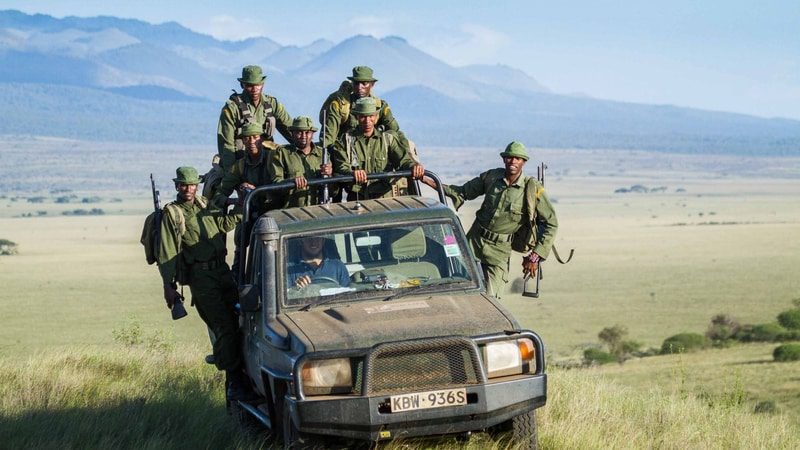
When asked what advice she would give to young women who want to become rangers, she said, “You can do it. Nowhere is it written that a lady can't or shouldn't be a ranger. Women can do anything men can do. You can do it if you are passionate about it. Actually, maybe you can do it better.'
Women rangers are an important piece of the global conservation puzzle. And as a woman, it's impossible not to be moved by the vision and fierce determination of Anne and others like her. Yes, they are educators. Yes, they are mothers. Yes, they have families to care for, feed and love. But organizations like TGLF, Big Life and The Intrepid Foundation have created a supportive environment for these women to turn their talents and strengths into transformative work.
And Ann's job changes.
Editor's note: After a courageous battle with cancer, Anne Malloy passed away in May 2021. He is survived by two small children. The Intrepid Foundation works with The Thin Green Line Foundation to raise funds for the education and care of her daughters. You can donate to Thin Green Line's Fallen Ranger Program - all money raised goes to the families of rangers like Ann Maloi.